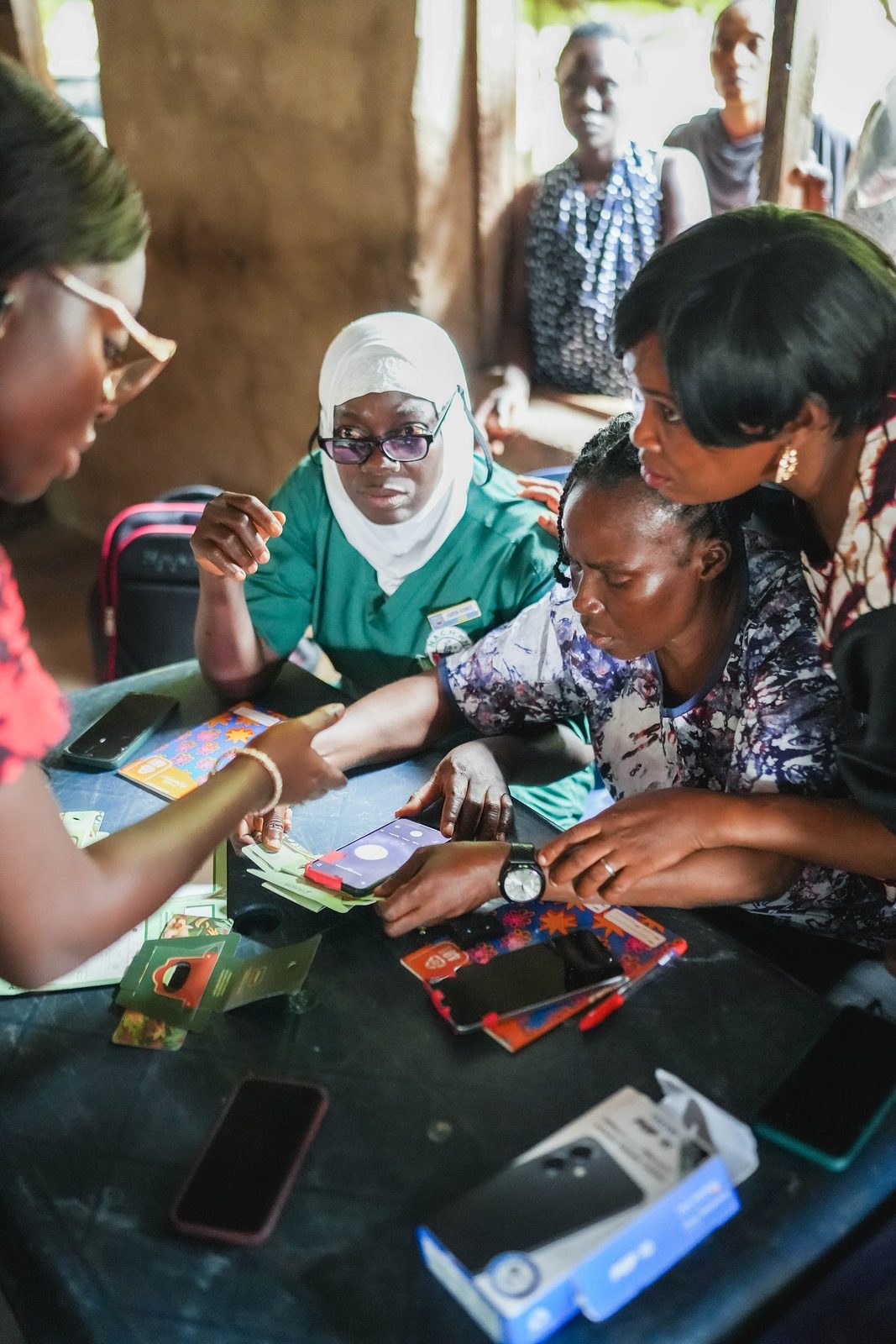
 Kareem learning foldscopy · Photo: Daniel Amao
Community health workers make up the backbone of rural healthcare in Southwestern Nigeria. And they are — in every sense — formidable.
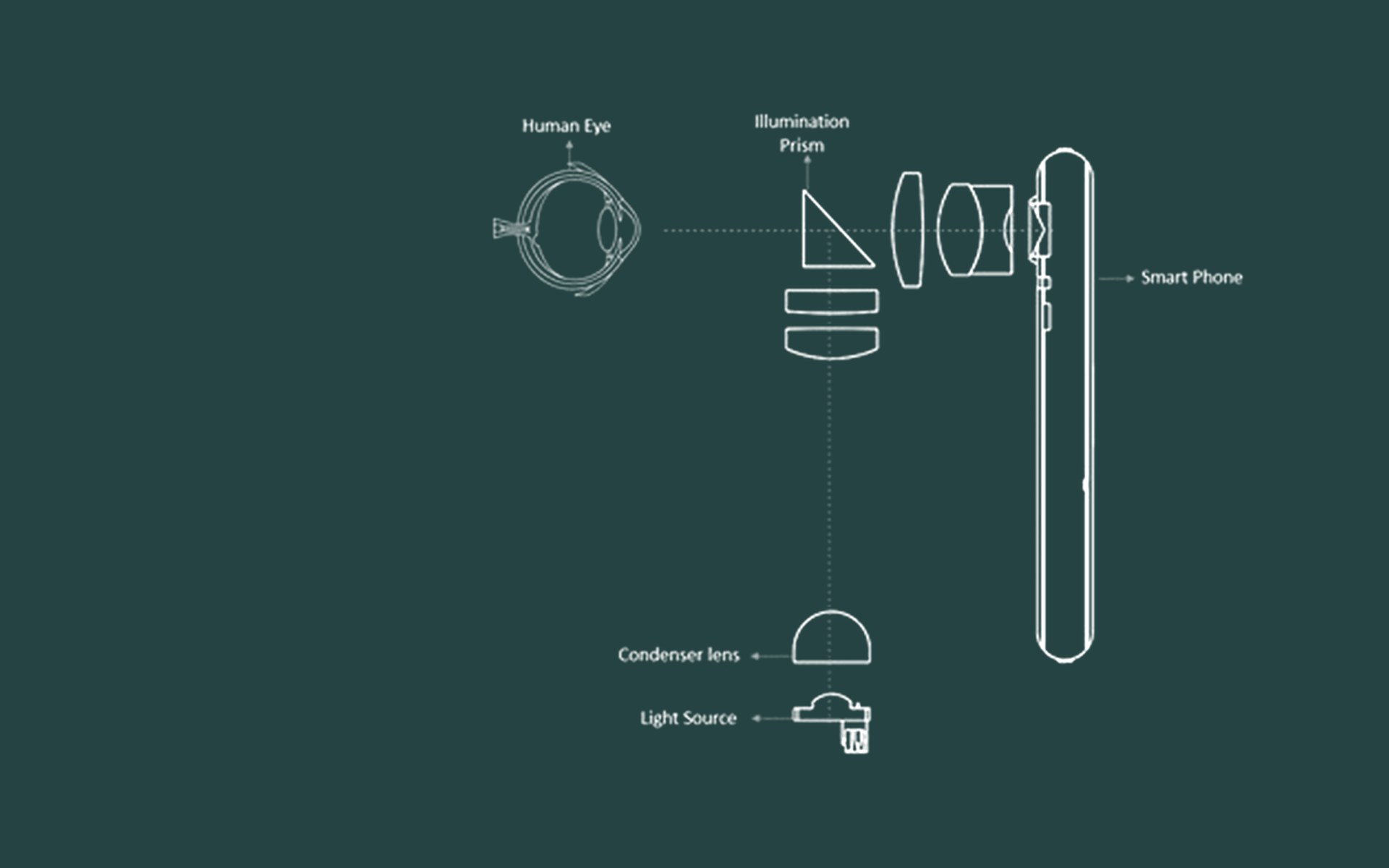
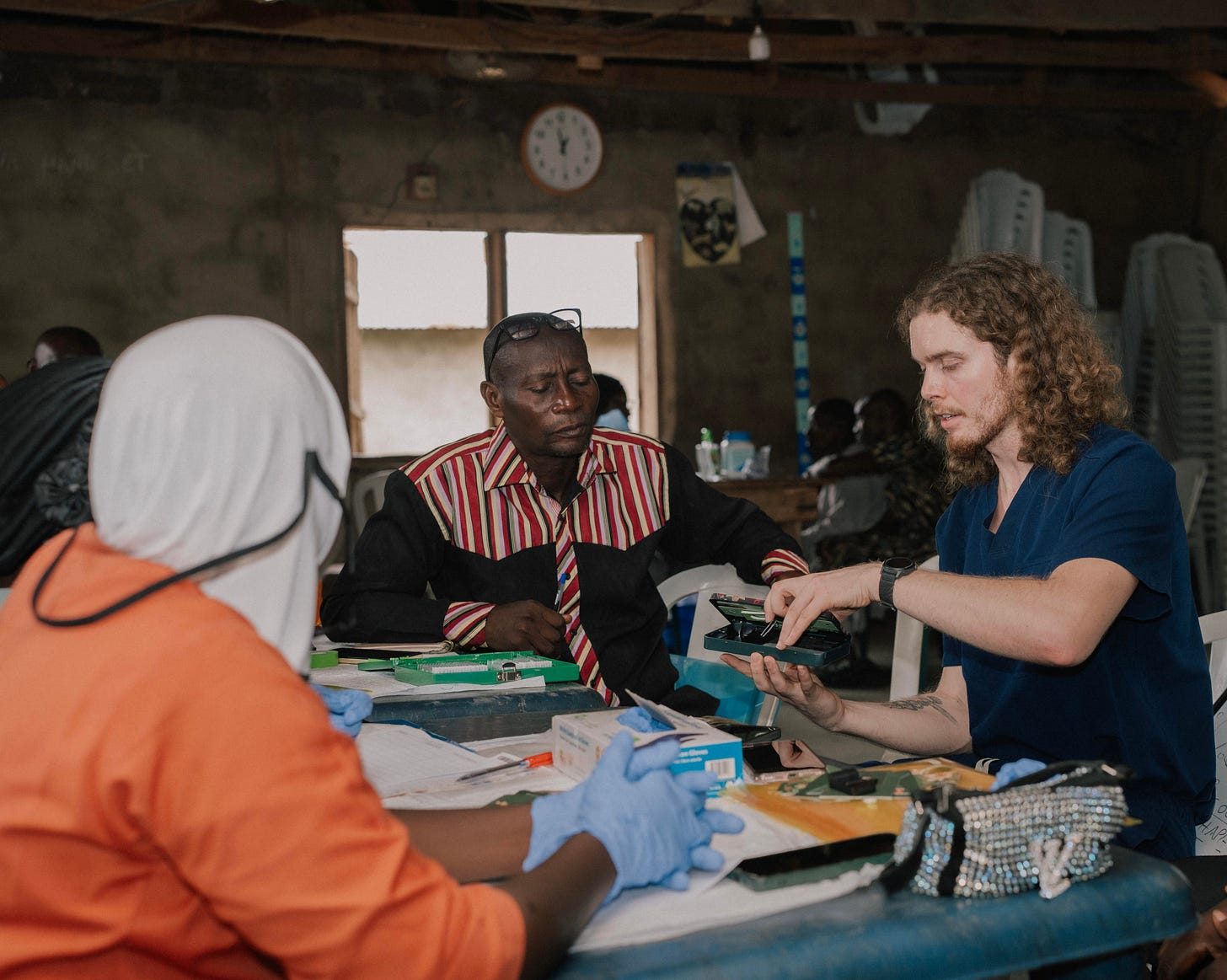
Our team brought Foldscopes to rural Nigeria for our first test of these two-dollar origami microscopes as tools for community-led schistosomiasis diagnostics. No lab or electrical outlets involved — the lab is the table in front of you. The goal was to see whether community health workers could detect parasite eggs as accurately as traditional lab microscopy, but in the communities where they work, where resources are limited and patients are miles from a city. Helping to roll out the democratization of the discovery of disease sounds romantic. In reality, it is a bit messy and clunky.
Day two, our van breaks down in the forest. Big rock punctured the hull of the ship. Gasoline gushing everywhere while cattle herders navigate around us on the pothole-plagued road.
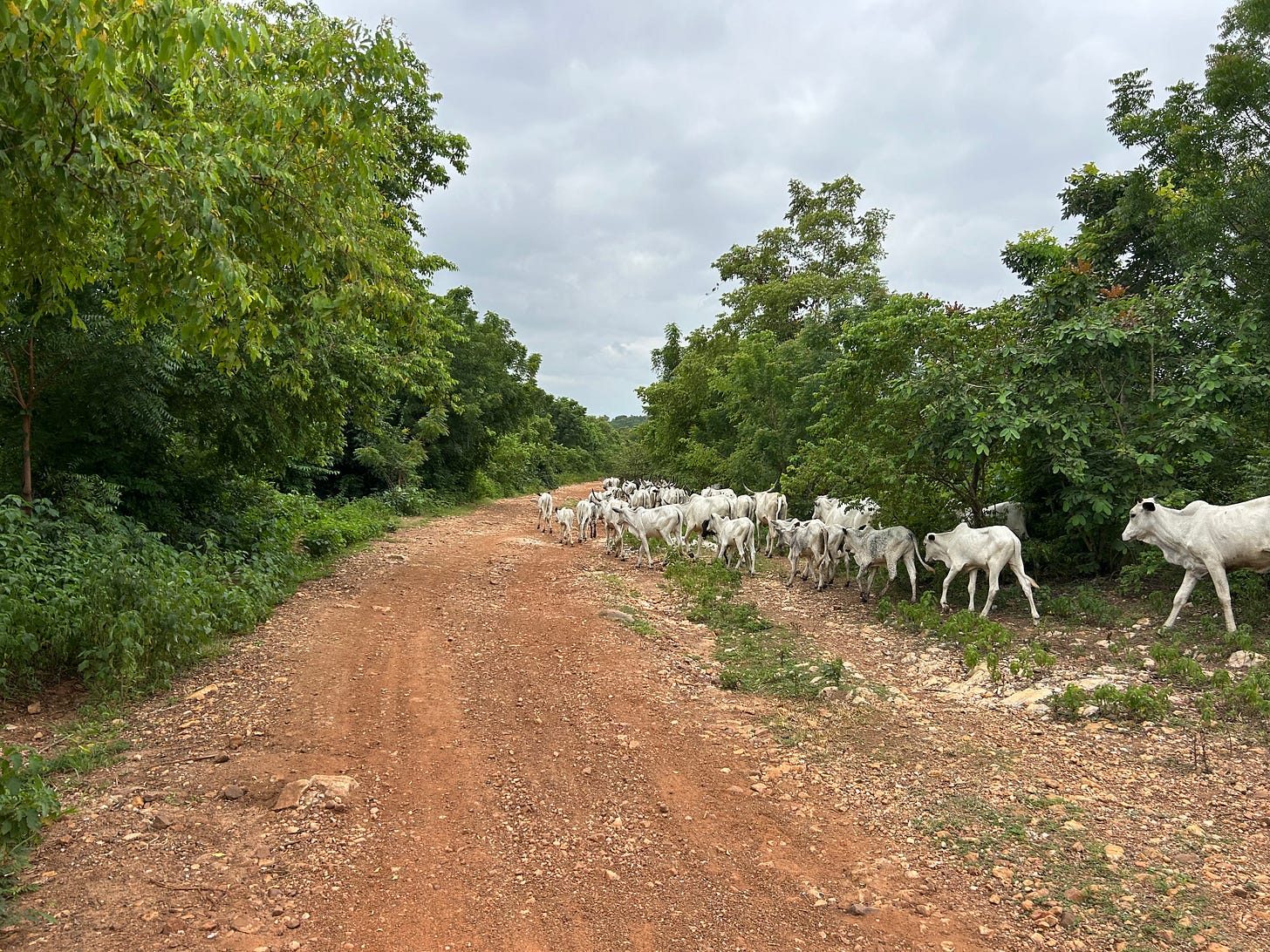
We’re thinking the study is over before it started. Sixteen people piled in a van, now stranded.
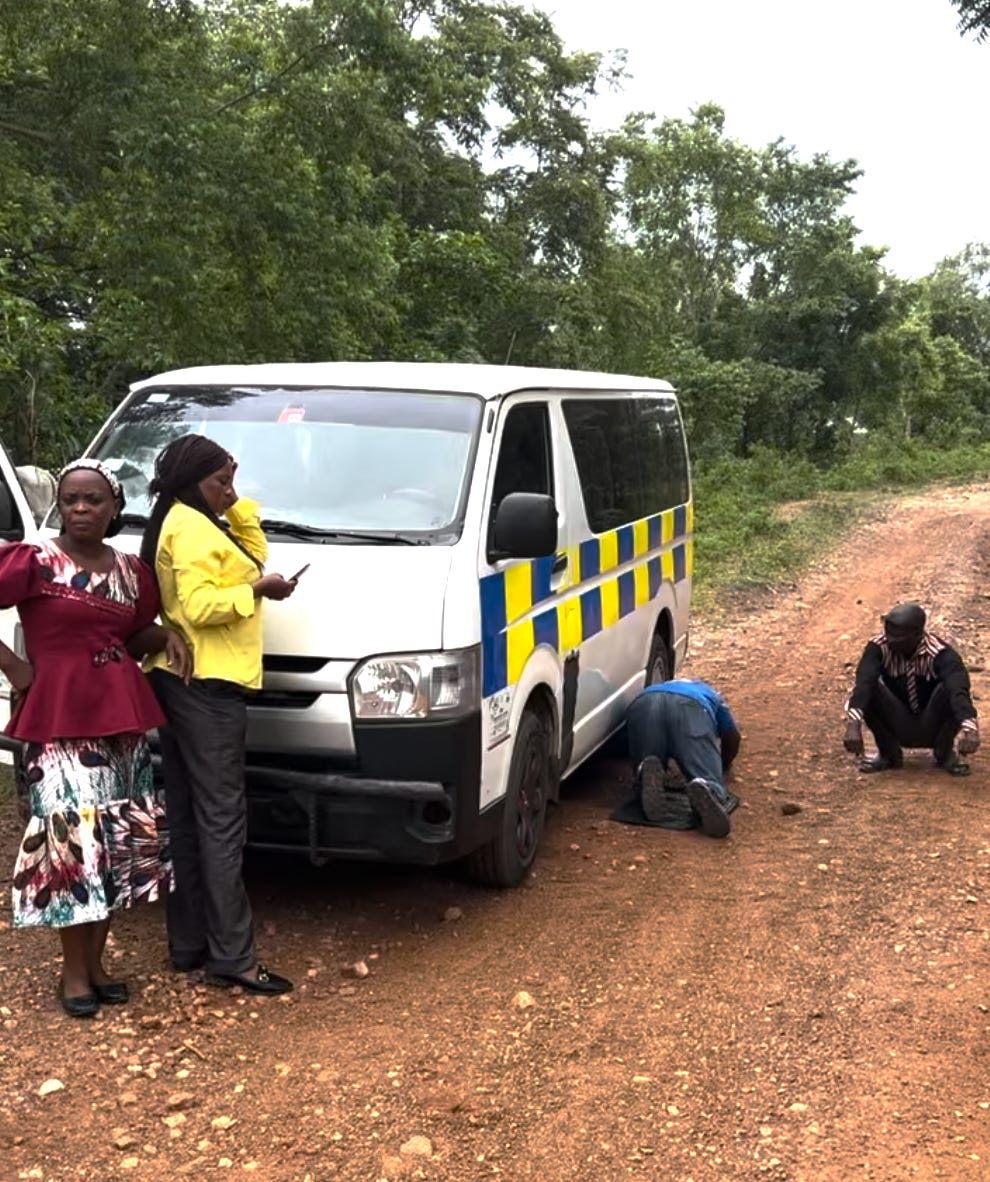
Then Kareem, one of the community health workers who lives nearby, zips off on her dirt bike and comes back with a bar of soap. Plugs it straight into the hole in our gas tank. Perfect seal. We’re back on the road in minutes.
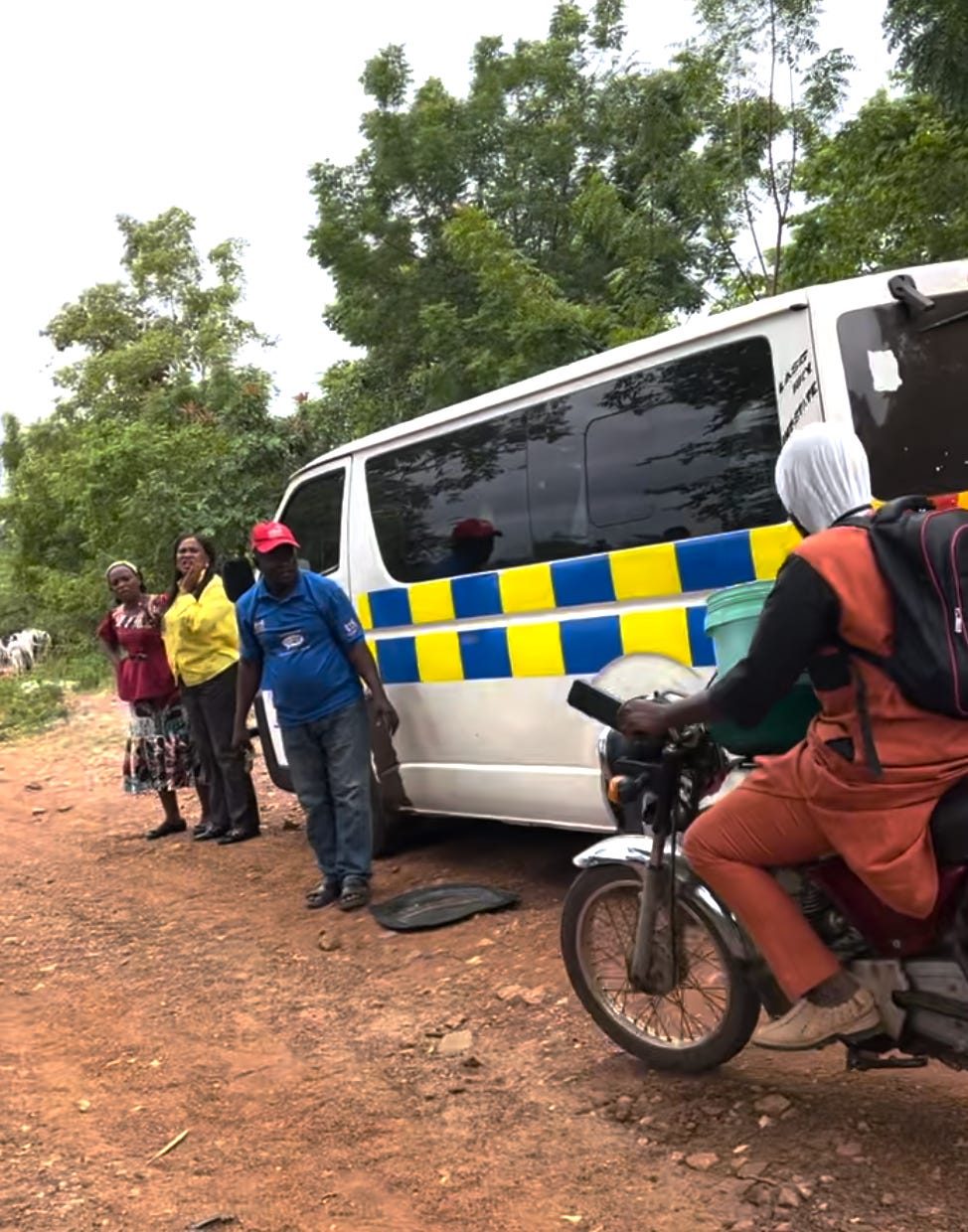
That’s when it hit me: our team had come thinking we were bringing innovation to the field. But watching Kareem use the Foldscope later that day — detecting schistosome eggs with the same steady hands that revved the motorcycle — I realized the innovation was already here. It is a way of approaching problems. We were trying to democratize diagnostics by introducing a new tool, but the use of that tool is yet to be fully explored. Sometimes an everyday tool like a bar of soap just needs an urgent situation to truly shine.
We came thinking we were bringing innovation to the field. The innovation was already here.
A road that can sink your ship
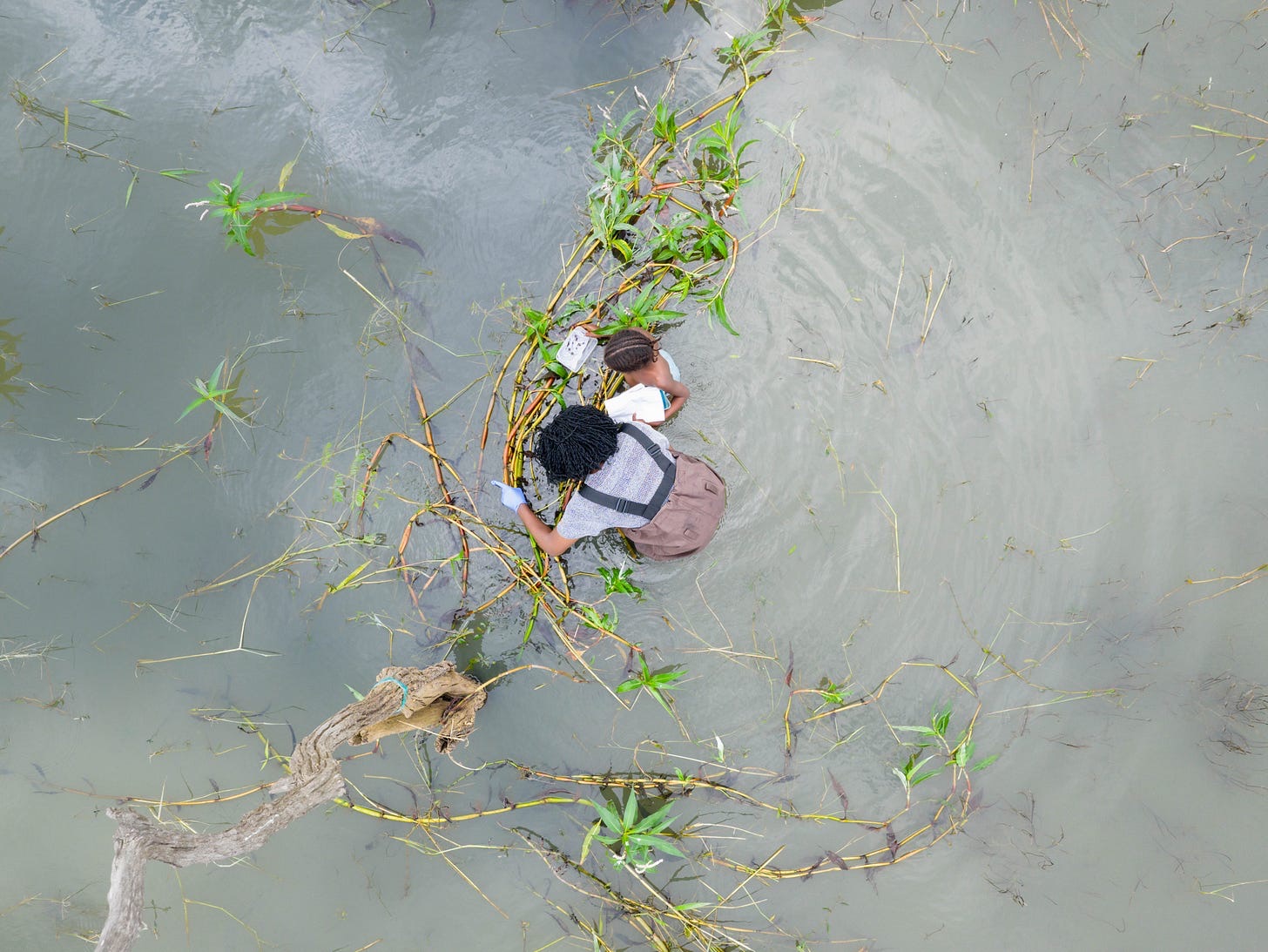
Neglected tropical diseases like schistosomiasis are an urgent problem that defies most assumptions about how to approach health problems. They are often steadily wreaking havoc in more rural areas, and they are underestimated in their frequency because efficient, accurate public health data is scarce in resource-limited places. How can you know who is sick, if it has been years since anyone conducted diagnostic efforts down that road?
Especially a road that can sink your ship.
Six days of bar-of-soap fixes
Over the next six days, after the bar-of-soap fix, community health workers in remote villages started identifying positive cases independently — no electricity, no lab infrastructure needed. Government neglected-tropical-disease officials were engaged with the team the whole way, stopping by the workers’ temporary schoolhouse clinics — a table, a table cover, a bowl for washing, and space for examining — knowing this could change how we approach diagnostics in resource-limited settings. And the whole time, we brought a bar-of-soap mentality to each obstacle.
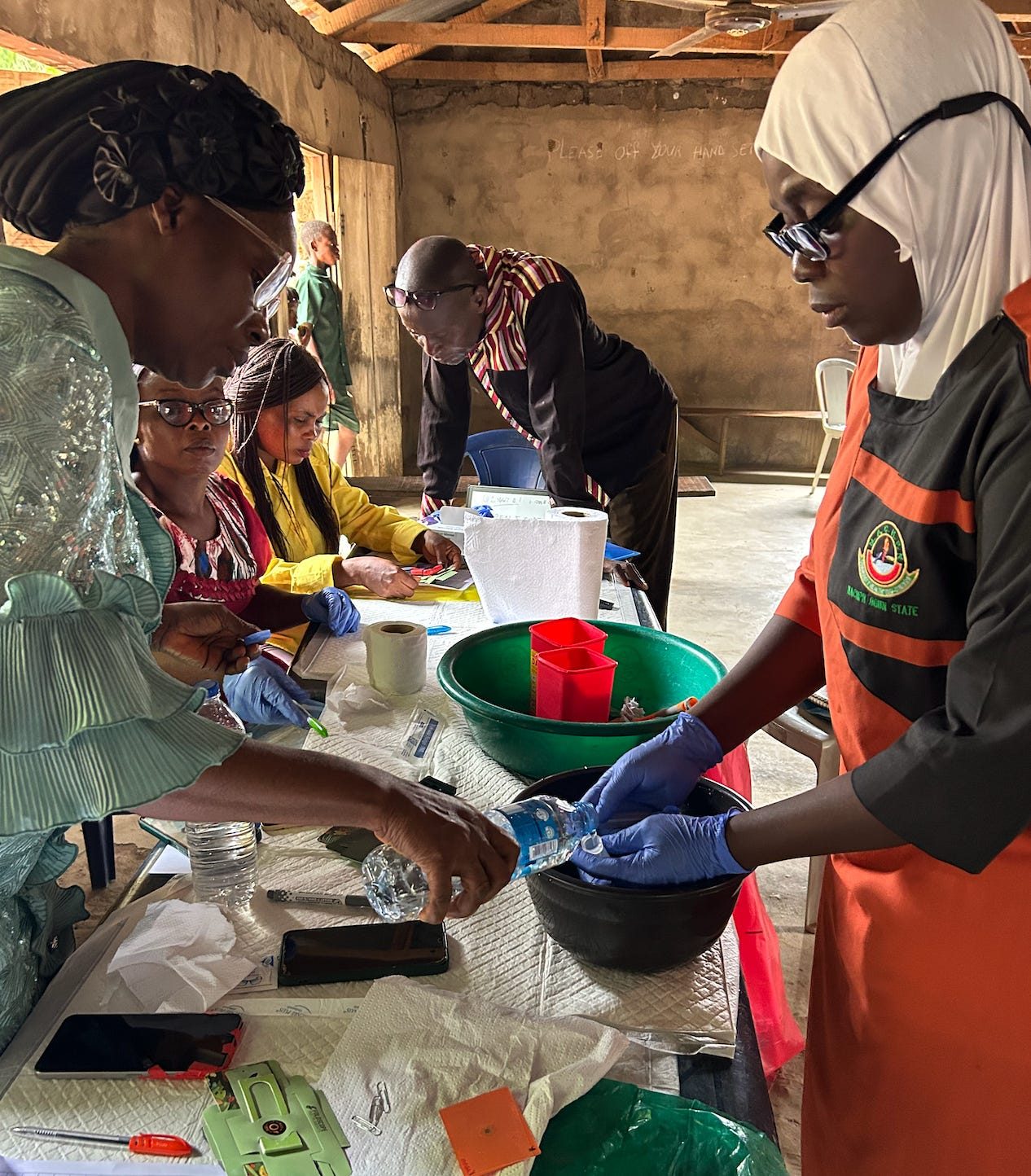
The bar-of-soap fixes
Power
Ife used Thomas’s phone bank to power the reference-lab microscope when the portable power source went out.
Sample cups
Ran out of urine cups. Used two tiny vials for each instead.
Gloves
Wore gloves too big when we ran out of gloves that fit.
Field gear
Made a snail-catcher with a kitchen sieve and a stick. Quadrats with tape and branches.
Morale
Got out and danced when we were sore from the long van rides.
Decentralizing diagnostics
Pending a more formal analysis of implementation this year, and full peer review of this preprint, we think the $2 Foldscope works. There’s never a perfect solution for detecting an infectious disease so complex, but it works as a touchstone for a broader conversation. It taps into the root system of something even more innovative: decentralizing diagnostics. We are stubbornly refusing to give in to the way healthcare churns on in most systems — not because we are dissatisfied with its most sophisticated solutions, but because we are enraged that no one stopped to try to solve the problems affecting the most impoverished communities in the world.
So as we carry on into another year with this team, I know what approach we’ll use: one for any problem that blocks the way, or punctures the hull of your van. The people using it — community health workers like Kareem — make it work. They’re the ones who’ll truly put health in your hands.
The innovation was already here.
This essay first appeared on Will’s Substack. Thank you for reading — and for backing the community health workers who make this work real.